Skip to content

Vision 2030

A Tuesday in 2030.

By 2030 every builder runs a job like this. Here is one ordinary day on one ordinary job, and how much of it you can run today.

None of this needs inventing.

Every part of this day exists in pieces today. Drawings are digital, claims are tracked, and every site photo carries a time and a place. What changes is that the pieces stop needing a person to carry information between them.

That person is the builder, the project manager, the contract administrator. Whoever is still up at night.

By 2030 nobody does that job, on any site, and nobody thinks it remarkable. You can wait for that. You don't have to.

What builders told us

Your offsider

It reads what lands, writes down what gets said, and does the parts of running a job that never needed you.

You still run the job.

One day, start to finish.

  1. 05:40

    Runs today

    01 / 09

    The day started without you.

    The revised structural set came in at 11 last night. Your offsider read it against what the formworkers are building to, found the four things that changed, and had the answer waiting for the leading hand before he left home.

    A builder outside his ute in the early light, coffee in one hand, phone in the other.

    05:40

  2. 06:00

    02 / 09

    Nothing from yesterday needs re-explaining.

    The crane booking clashed with the pour. Your offsider moved it at 2am and told both crews, so nobody is standing around at seven waiting to find out.

  3. 07:10

    Runs today

    03 / 09

    Three things need you today.

    Your offsider read everything that landed overnight. What needs you fits on one screen: an RFI holding up the glaziers, a price over allowance, a subbie asking for another day. You answer all three before the coffee goes cold.

    3

    things need you

  4. 09:30

    Runs today

    04 / 09

    The variation is raised before it can time bar.

    Yesterday the electrician found a penetration that isn't on the drawings, and you said so out loud, standing next to him. That became a note, then a priced variation, then a claim, well inside the five days your contract allows. You didn't have to remember any of it.

  5. 11:00

    05 / 09

    The steel is ordered while the price still holds.

    The program said this week, so it went this week. Nobody had to notice. Late procurement is how a fixed price quietly turns into a variable one, and it stopped being a risk years ago.

  6. 12:40

    06 / 09

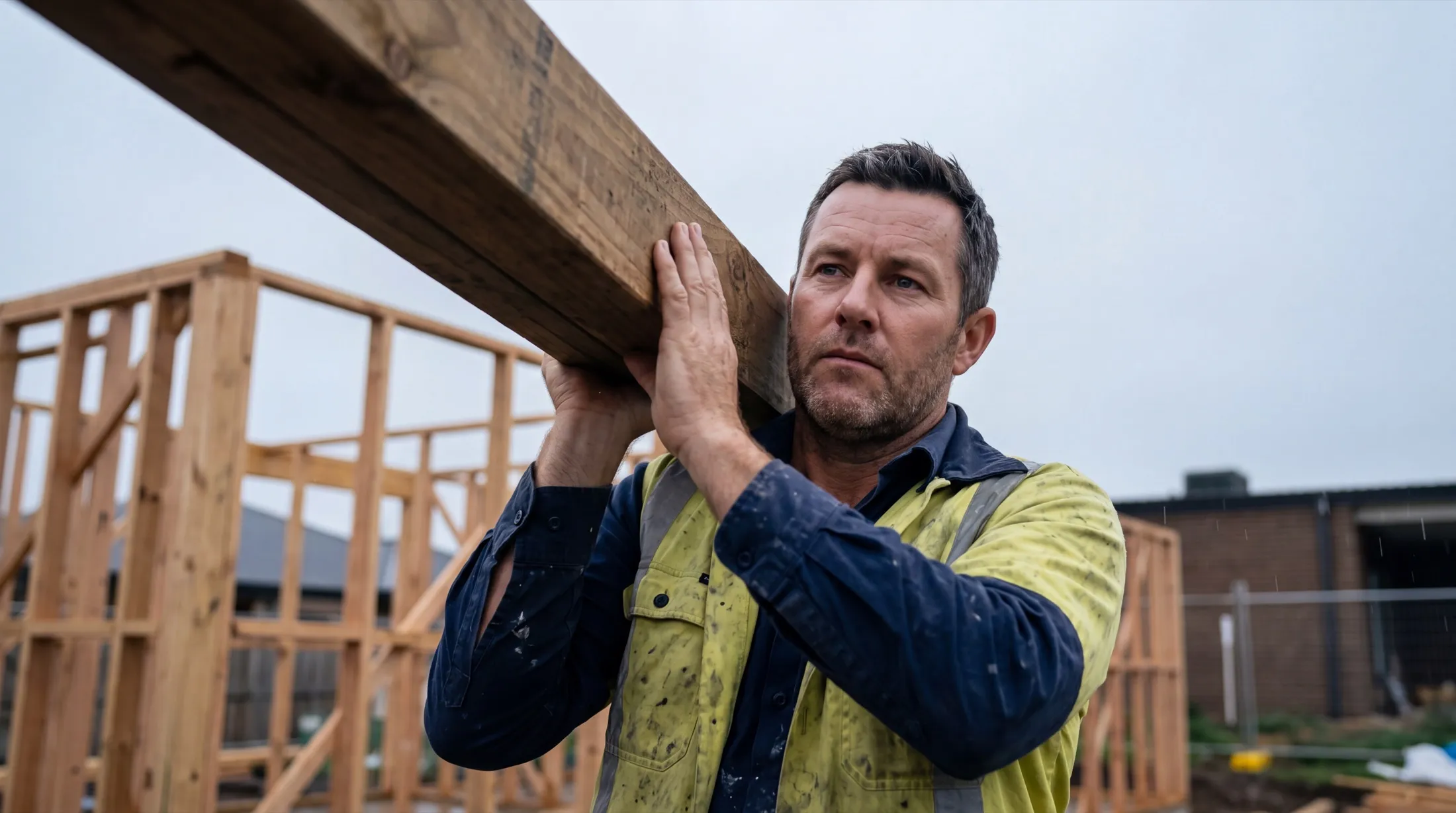
    You walk the job, and you talk to people.

    No clipboard, and no catching up at five o'clock. Your offsider captures what you see and say as you go, so the site diary is a record of the day rather than a memory of it.

    A builder carrying a length of timber on his shoulder, framing going up behind him.

    12:40

  7. 14:00

    07 / 09

    Nobody argues about the slab penetrations.

    Whether the formworker or the electrician does them was settled when the packages were let, because the gap was visible then. Nobody wears it on the day.

  8. 16:30

    Runs today

    08 / 09

    The claim goes out matched to what is built.

    It's the 23rd. That used to mean a week of nights. This morning your offsider drafted the claim against the work in place, checked it against the photos, and sent it.

  9. 17:15

    Runs today

    09 / 09

    You knock off, and today is already written down.

    Every decision from today sits where the next person will look for it. If someone leaves on Friday, the job doesn't go with them.

What an ordinary day adds up to.

On time
The job is never waiting on information that already exists.
On budget
You're paid for the work you did, not the work you remembered.
Side by side
The people on the job spend the day on the building.

Not a someday.

You don't have to wait for 2030.

Nothing in the day above waits on an invention. The five hours marked in it run today, on real jobs, with Rory and Footing.

  • 05:40 Rory reads a revised drawing set against the last one and says what changed.
  • 07:10 Rory reads what landed overnight and puts what needs you on one screen.
  • 09:30 Rory raises the variation and prices it inside Footing. You approve it.
  • 16:30 The claim gets drafted against the work in place, not against a guess.
  • 17:15 One job file, so the job keeps its memory when someone leaves.

Every builder will run this way. You can start now.

None of this makes building easier. Concrete still takes 28 days and it still rains. It makes running the building easier, and that's the part that has got harder every year for a decade.

A gloved hand driving a screw into timber, shavings coming off the bit.

Australia needs 1.2 million homes by 2029. They get built by builders who can take the next job on without drowning in the last one.